
It is 8 a.m. on a busy weekday morning in Central London. The city moves at full velocity. Streams of commuters emerge from stations and side streets with familiar urgency, carried forward by hectic schedules and the constant pressure of urban time. Below ground, on the London Underground, trains run at maximum capacity. Inside the packed carriages, strangers stand compressed together in silence, eyes fixed on glowing screens or distant thoughts, their nervous systems strained by the continual adrenaline and acceleration that modern city life demands.
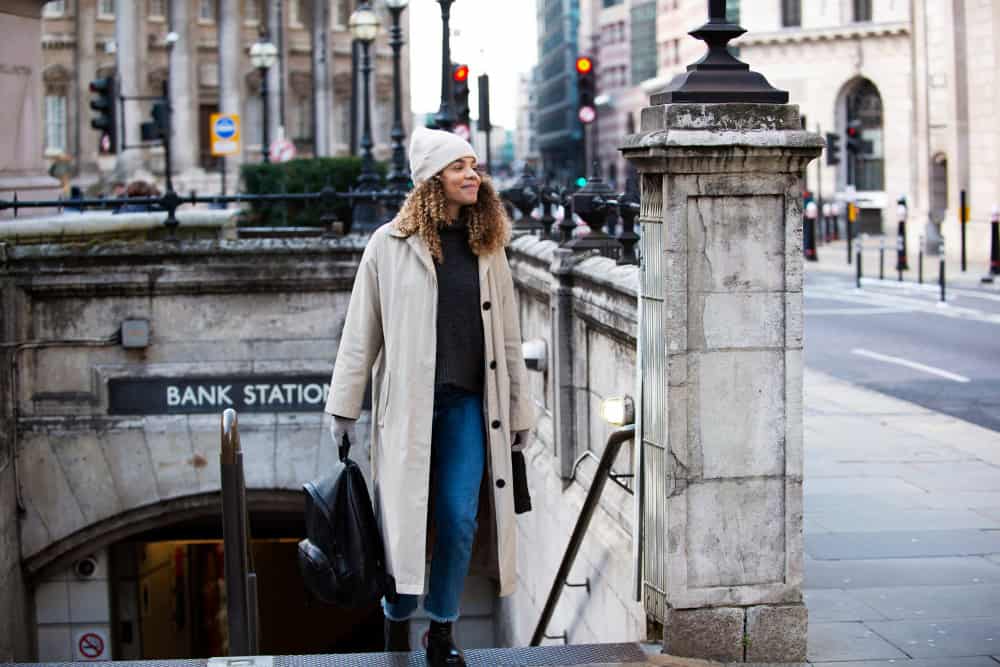
Above ground, away from the dense momentum of the crowds, the Slow Human walks calmly to work. She savours the simple act of walking, refusing to surrender entirely to the city’s feverish tempo and its incessant identification of time with productivity. Instead, she chooses to honour a quieter internal rhythm by shutting out, however briefly, the intensity surrounding her. Her decision to linger, to notice and dwell on what usually passes unseen, has become an antidote to the fast life she once accepted without question.
Now she seeks out green corridors, public gardens, and tree-lined avenues, moving without urgency through nourishing spaces that soften the harder surfaces of the city. She remembers that the faster her life once became, the more anxious she felt about not having enough time. Faster communication, faster transport, and faster access to information did not create more time in her life. If anything, they intensified the feeling that time was always slipping away and always needed to be saved.
She now understands that slowing down is not laziness or withdrawal, but a conscious attempt to reclaim attention and presence. In a culture shaped by speed, efficiency, and perpetual production, slowness becomes a way of recovering something human. The city’s rhythms still move through her — the machinery, the signals, the schedules, the endless circulation of bodies — but she no longer allows them to completely govern her inner life. She recognizes that while the mood and energy of a city circulate through its inhabitants, they should not shackle them.
After a difficult day, the Slow Human walks home through the city. In a leafy square, an empty bench draws her attention. She steps out of the flow of movement and sits for a while, observing the layered rhythms around her: footsteps crossing pavement, buses exhaling at intersections, branches shifting in the wind, fragments of conversation passing through the evening air. The biological, mechanical, and natural briefly seem to coexist in balance before her.
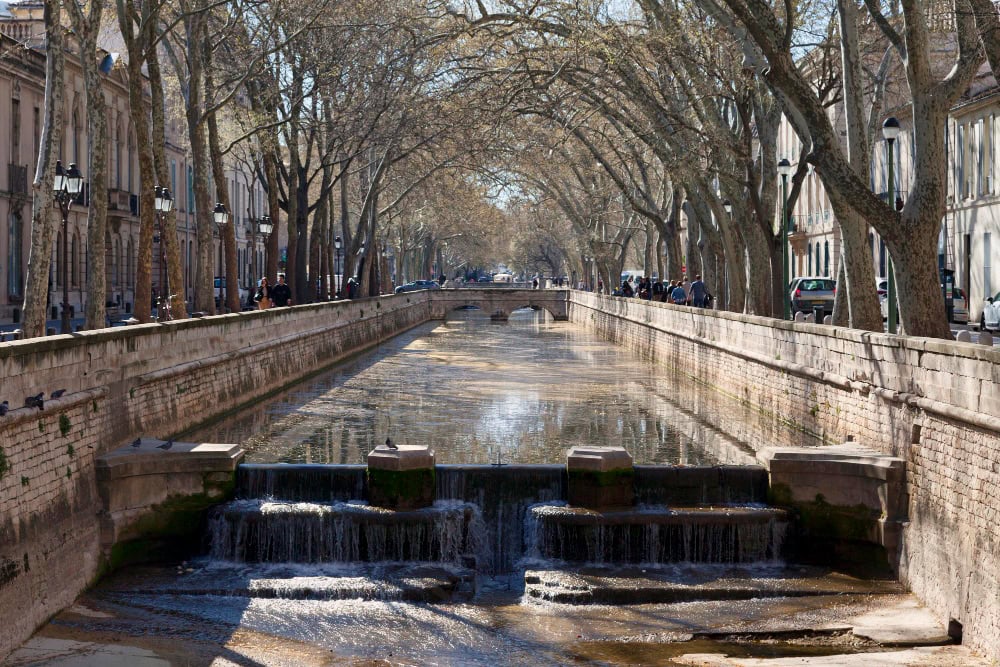
When she rises, she walks on without haste, refusing to let the moment be sucked into a whirlpool of productivity or utility.
Even within cities as fast as London or New York, small acts of slowness remain possible. They appear in attentive walking, in sitting quietly within a public garden, or in moments experienced without screens or interruption. In such moments, the obsession with efficiency and output loosens its grip, and time no longer feels like something endlessly escaping us.
If a city can teach us how quickly to move, it can also teach us how slowly to pause. The Slow Human knows which rhythm nourishes her attention, awareness, and wellbeing.