
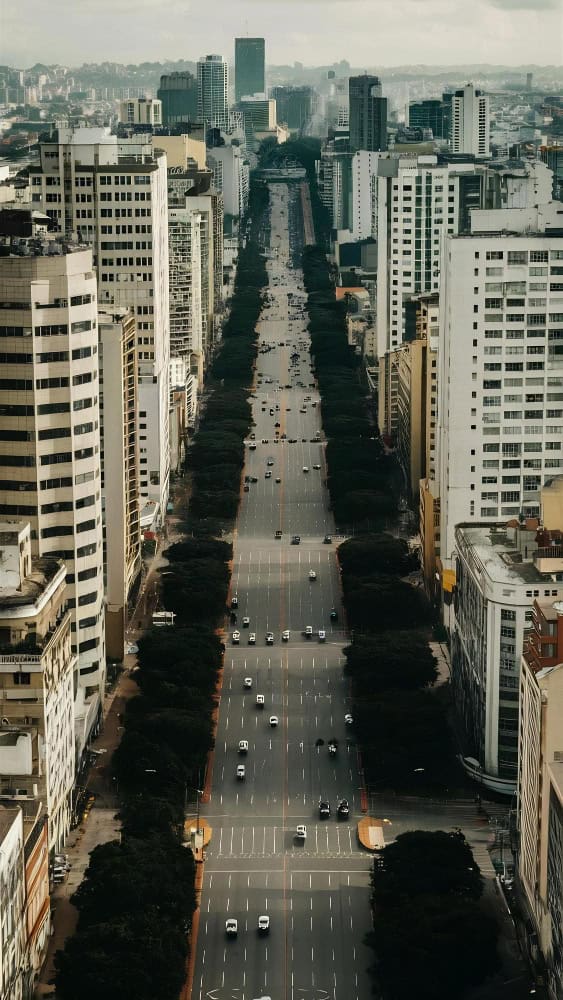
What if a city could breathe? If we viewed cities as living organisms rather than built environments, which would breathe fast or slow? Which would breathe freely, and which in fits and starts? Might a city collapse to its knees—exhausted, gasping, out of breath, in need of rest?
And what of those who live within a city long enough? How might its inhalations and exhalations shape them? Would they begin to replicate and embody its breath?
Imagine living in a relatively small city where lingering in plazas or pedestrian zones, and quietly observing one’s surroundings, is encouraged—rather than in a place defined by hurried movement along featureless avenues. Would you begin to breathe more deeply, expanding your chest, calming your nervous system into alignment with the city’s rhythm? Would you walk more slowly, notice more, smile more often? Would your body adapt?
The rhythm of London, my hometown, contrasts sharply with that of Montreal, where I have lived for twenty-two of the past twenty-four years. London’s economic intensity and high-frequency transit systems cultivate a culture of urgency, one that accelerates the bodily tempo of its residents. A Londoner’s breathing seems synchronized with this environment: constrained, slightly shallow, held tightly in the chest, reflecting a state of heightened stimulation.
The same could be said of Tokyo, where my wife is from—a city layered with motion, dense with productivity, where economic tempo and bodily tempo align. In such fast, compressed environments, the symptoms of speed are visible everywhere: in walking pace, facial tension, psychological defensiveness, and chronic impatience. The pattern is unmistakable—cities shape human tempo, and fast cities produce fast-living people who unconsciously mirror one another.
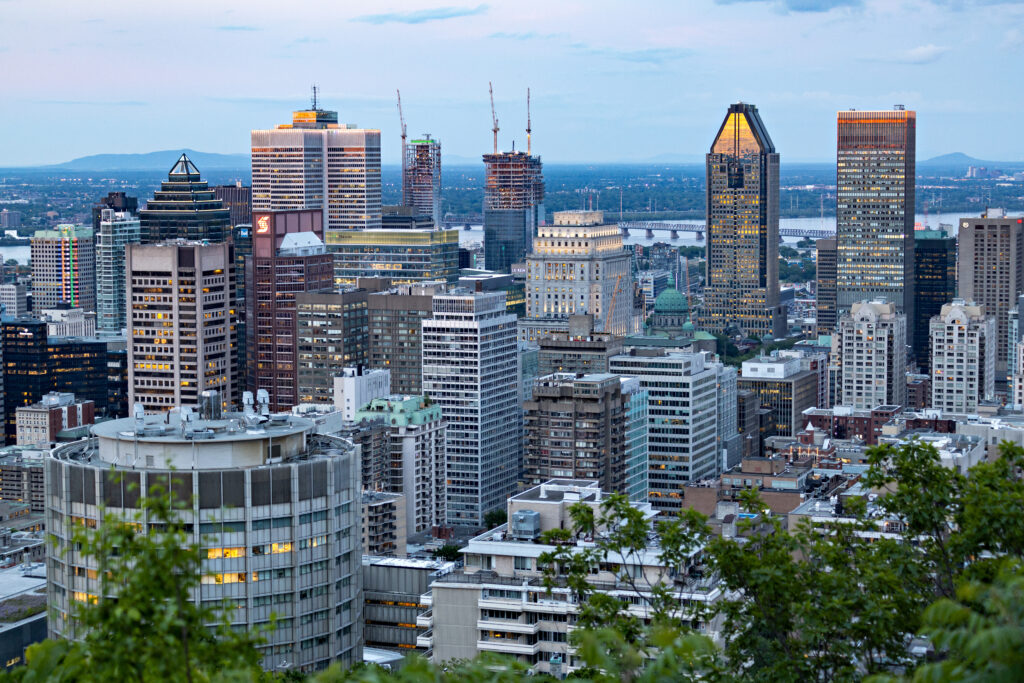
The contrast with Montreal is striking. In my early years here, I became acutely aware of the joie de vivre that permeates the city—how it seems to soften and settle those who live within it. This subtle calming of the nervous system means that many Montrealers are not under constant cortisol-driven stress; the amygdala is not perpetually on high alert, as it often is in denser, faster, more accelerated cities.
Montreal is not, strictly speaking, a slow city. Yet it offers many conditions that invite slowness and make it legitimate. One is rarely far from urban gardens, pedestrian streets, or public squares—spaces that soften sensory input, protect attention, and restore a more human rhythm. London, by contrast, rarely pauses. It operates in continuous cycles, driven by momentum, progress, and productivity.
Still, all is not lost for those seeking a slower rhythm within a fast city. Such places are not inherently unhealthy—but they do require intention. Deliberately protecting the nervous system becomes essential: creating pockets of stillness, resisting constant acceleration, and, where possible, reclaiming the simple act of breathing fully.
In part two of this exploration of Slow Cities, we look more closely at what makes a city slow, and how one can adopt a slower rhythm in a fast city.