”Slow living is not about living your life in slow motion; it’s about doing everything at the right speed and pacing instead of rushing. By that same logic, slow living is not about losing time by going slowly; it’s about gaining time by doing the things that are most important to you.”
Resorces
Jamie Thom - Slow Teaching
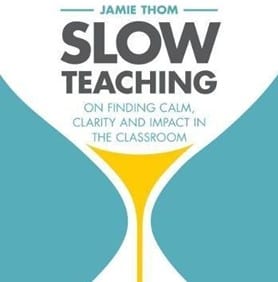
“Slow Teaching” is a considered reflection on how taking a more measured pace in education can enhance student learning. It examines how a slower approach can improve the quality of feedback, foster better classroom management and relationships, encourage richer discussions, support long-term knowledge retention, and promote attentive school leadership. The book delves into how educators can gradually refine their teaching skills, aiming to become experts dedicated to continuous improvement. It also offers strategies to help teachers feel more composed, confident, and structured in a profession that often feels fast-paced and demanding.
SlowTravelIt’s Time to Start the Slow School Movement
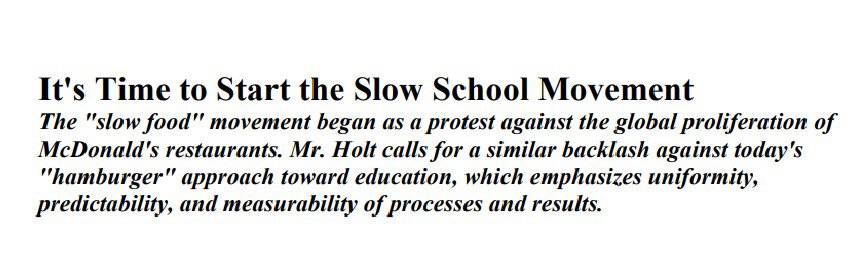
Reading Maurice Holt’s paper was the inspiration and catalyst for my thesis on Slow Education. His clear, accessible ideas offered a compelling argument for slowing down the pace of schooling. It’s an excellent starting point for educators seeking a deeper, more thoughtful approach to teaching and learning.
“The Power of Slow Education” by Jess Bibby is a clear, accessible article that invites teachers and parents to rethink the pace of modern schooling. Drawing on the Slow Education movement, it argues for a more reflective, student-centered approach that values deep learning, creativity, and emotional growth over test scores and speed. With real-world examples and practical insights, it offers a compelling case for why slowing down can help children thrive both academically and personally.
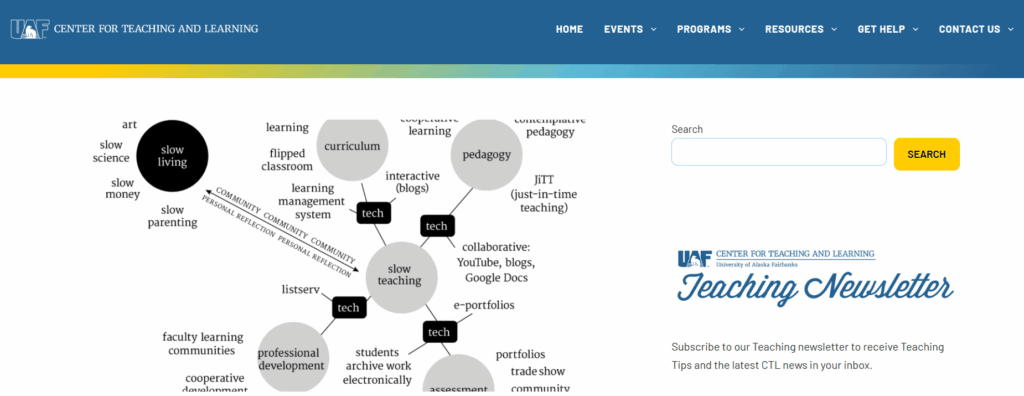
This article from the University of Alaska Fairbanks introduces slow pedagogy—an approach that encourages teachers to reduce pressure and pace in the classroom. It promotes deeper learning, reflection, and student well-being. Both parents and teachers will appreciate its call for more thoughtful, process-focused education over rushed content delivery.
This episode delves into the Slow Schools Movement, highlighting mindfulness, intentionality, and wellbeing over educational busyness. Featuring insights from a Finnish school visit, it offers strategies for cultivating thoughtful, holistic, and sustainable learning environments
“Slow Teaching” is a considered reflection on how taking a more measured pace in education can enhance student learning. It examines how a slower approach can improve the quality of feedback, foster better classroom management and relationships, encourage richer discussions, support long-term knowledge retention, and promote attentive school leadership. The book delves into how educators can gradually refine their teaching skills, aiming to become experts dedicated to continuous improvement. It also offers strategies to help teachers feel more composed, confident, and structured in a profession that often feels fast-paced and demanding.
SlowTravelIt’s Time to Start the Slow School Movement
Reading Maurice Holt’s paper was the inspiration and catalyst for my thesis on Slow Education. His clear, accessible ideas offered a compelling argument for slowing down the pace of schooling. It’s an excellent starting point for educators seeking a deeper, more thoughtful approach to teaching and learning.
“The Power of Slow Education” by Jess Bibby is a clear, accessible article that invites teachers and parents to rethink the pace of modern schooling. Drawing on the Slow Education movement, it argues for a more reflective, student-centered approach that values deep learning, creativity, and emotional growth over test scores and speed. With real-world examples and practical insights, it offers a compelling case for why slowing down can help children thrive both academically and personally.
This article from the University of Alaska Fairbanks introduces slow pedagogy—an approach that encourages teachers to reduce pressure and pace in the classroom. It promotes deeper learning, reflection, and student well-being. Both parents and teachers will appreciate its call for more thoughtful, process-focused education over rushed content delivery.
This episode delves into the Slow Schools Movement, highlighting mindfulness, intentionality, and wellbeing over educational busyness. Featuring insights from a Finnish school visit, it offers strategies for cultivating thoughtful, holistic, and sustainable learning environments