
In his epic first TEDx talk back in 2011, Jon Jandai—farmer, earthen builder, seed saver, teacher, philosopher, and gentle rebel—stands on stage and announces, with all the calm of a man who’s figured a few things out, that Life is easy. Then, with a knowing smile, he asks the rest of us: So why do we make it so hard?
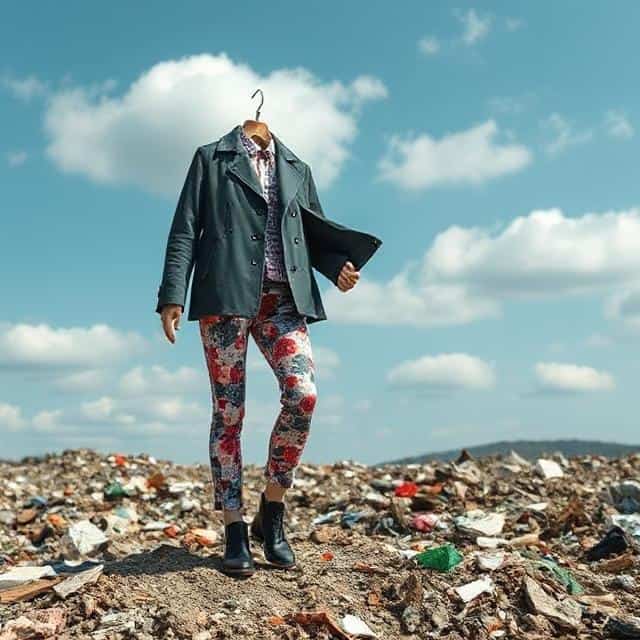
The “us” Jon is talking to is all of us. The chaotic, exhausted us. The us caught up in the drama of life. The us who buys things we don’t need to impress people we barely know. The insecure us who sometimes can’t even remember who “us” is. You know the one. And if you don’t—well, lucky you.
Jon’s whole talk is an invitation: to pause, breathe, and question the spell we’re under—the cultural and societal conditioning or illusion that tells us what success, happiness, and a good outfit should look like. Midway through his impassioned, slightly mischievous talk, he shifts gears and tugs at a thread we don’t usually pull: our clothes.
With eyebrows raised and mild disdain hidden beneath his monk-like calmness, he asks, “Why do we need to follow fashion?” Then, with a sudden increase in volume and gesturing wildly, he lands the punchline:
“Because when we follow fashion, we never catch up with it—because we follow it.”
Boom! The Fast Fashion hustle exposed in a single sentence.
Jon’s solution to the Fast Fashion dilemma is delivered swiftly and is blissfully simple: Don’t follow it. Just stay here.
At The Slow Human, we feel that. In fact, we raise Jon’s rhetoric a notch with our own rhetorical twirl:Why do we follow the Fast Fashion industry so blindly? You know, the kind of fashion industry that thrives on speed, disposability, and low price tags—while sweeping the real costs (materials, labor exploitation, environmental impact, dignity) neatly under the factory rug.
Imagine, if you will, The Slow Human flailing their arms and gesticulating with wild abandon—channeling Jon’s urgency, but with even more dramatic flair—because this matters.
There’s plenty we know about the Fast Fashion industry, and not much of it warms the heart. It’s at this point in the conversation that the collective “us” (burdened with our endless personal problems) might begin to shuffle uncomfortably, reach for a metaphorical blindfold, and mutter something about liking cute tops. Instead of taking a serious issue seriously, we reach for…our phones and stick our head in the screen. Or do just about anything to avoid the itch of awareness.
Jon, ever gracious, doesn’t shame us. He just chuckles softly and carries on, blending humor and humility like the skilled farmer-philosopher he is. He’s not asking us to give up consuming clothes in the same way he did. He’s asking us to give up the cultural conditioning trance—the urge to constantly replace, discard, and consume. He’s inviting us to wear what we have, to mend what breaks, to buy second hand, to rediscover the small joy of enough.
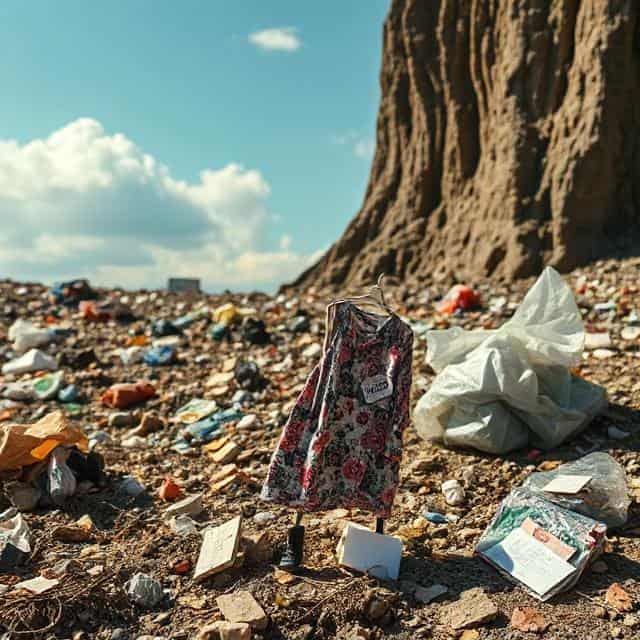
And maybe—just maybe—if we stop chasing fashion like it’s some mythical creature always one step ahead, we’ll catch up with something more important: the courage to look Fast Fashion squarely in the eyes—not with fear or guilt, but with clarity—to see it for what it really is: a hungry, shape-shifting monster that feeds on us. And once we see the monster for what it is, we can outsmart it, and with any luck we can even slay it.
So go ahead: sew the button back on. Wear the same thing twice. Ignore the Fast Fashion trends that pray on us and go channel your inner Jon Jandai by refusing to follow the Fast Fashion monster down its destructive path.
Interested in Slow Fashion? If so, head on over to the Slow Fashion resource page.