
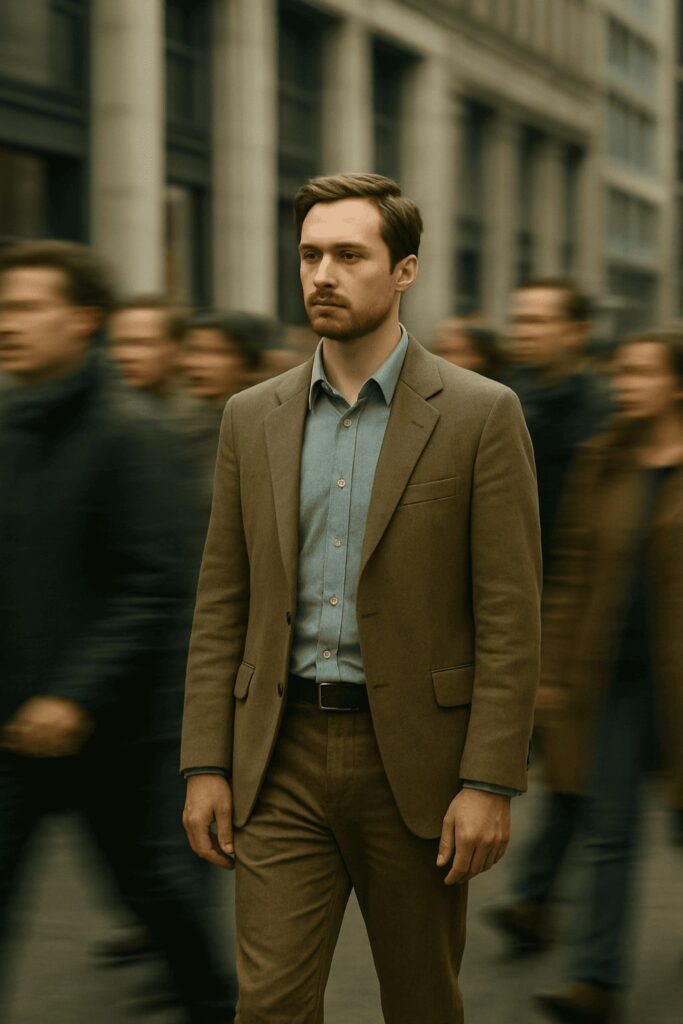
We live in an age where speed is inescapable, and where people seem almost trained to live fast, at least on the surface. Yet, the demands of such a lifestyle come with an accumulation of side effects—some small and curious, others rather serious—for both the individual and society at large. Among these: a poverty of attention and a thinning of empathy; diminished patience, spontaneity, and joy; an increase in stress and anxiety; and that familiar compulsion to measure time, fill it, and grow restless whenever we are made to wait.
It seems modern civilization now pays a heavy toll for its preoccupation—its obsession, really—with speed. Ours is a hurried world in which quantity routinely trumps quality, and where impatience has become an almost respectable condition. As acceleration continues to accelerate, societies, economies, and even the natural world appear to edge toward a kind of collective fatigue. Perhaps it is time for a careful revaluation of what we value—to recover those quieter virtues that have been pushed aside: relationships, community, cooperation, patience, subtlety, and reflection—all of which, in their way, belong to the realm of slowness.
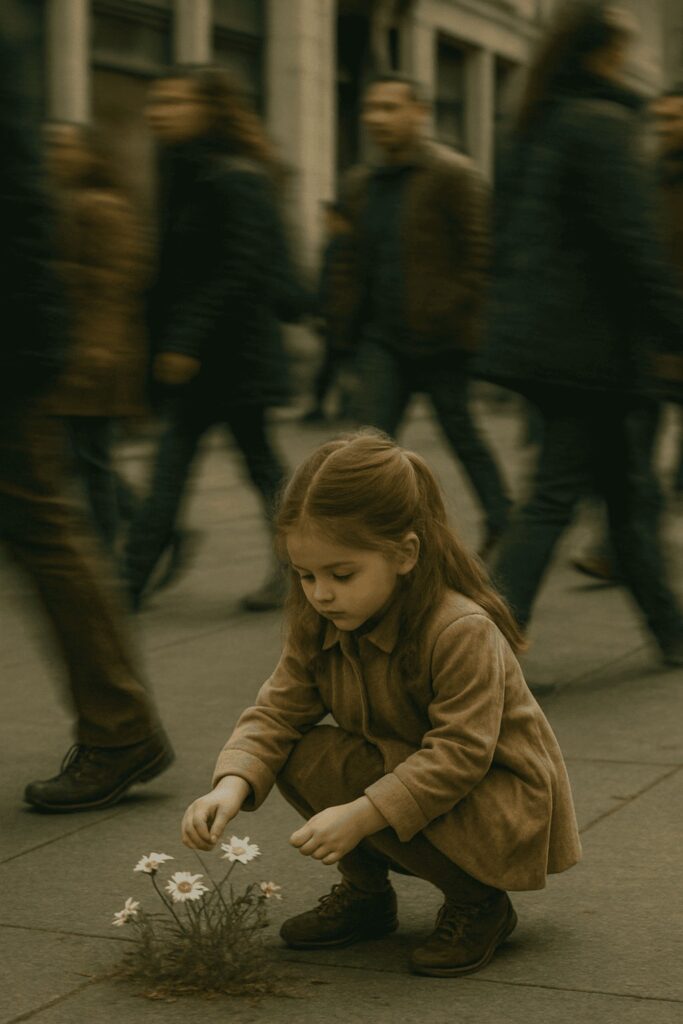
That said, I should make one thing clear: I am neither a romantic idealist nor a sworn enemy of speed. Like most people in North America, I have a complicated relationship with it. On one hand, I benefit enormously from the wonders speed affords—swift trains, instant communication, and the occasional miraculous parcel that arrives the same day it was ordered. On the other, I’m uneasy with the blind faith that all things fast are inherently better. Some things simply cannot—should not—be rushed. They take time. They need slowness.
Of course, what counts as “slow” or “fast” depends on the task and the temperament. Take writing, for example. For some, it is a slow, reflective practice that ripens best with time; for others, the pressure of a deadline sharpens the mind and quickens the muse. The same can be said for walking, cooking, eating, driving. In truth, most of us are both Hare and Tortoise, alternating between the two depending on the day. What matters, I think, is being mindful of which pace we inhabit—and why.
Driving at breakneck speed, for instance, only breeds anxiety, so I resist it. Taking time to listen to another person, patiently and without distraction, deepens understanding in a way that haste never could. This attention to the tempo of our days—the awareness of when and how we move—sits at the very heart of The Slow Human: a space for exploring what speed has made of us, and how slowness might help us remember who we are.